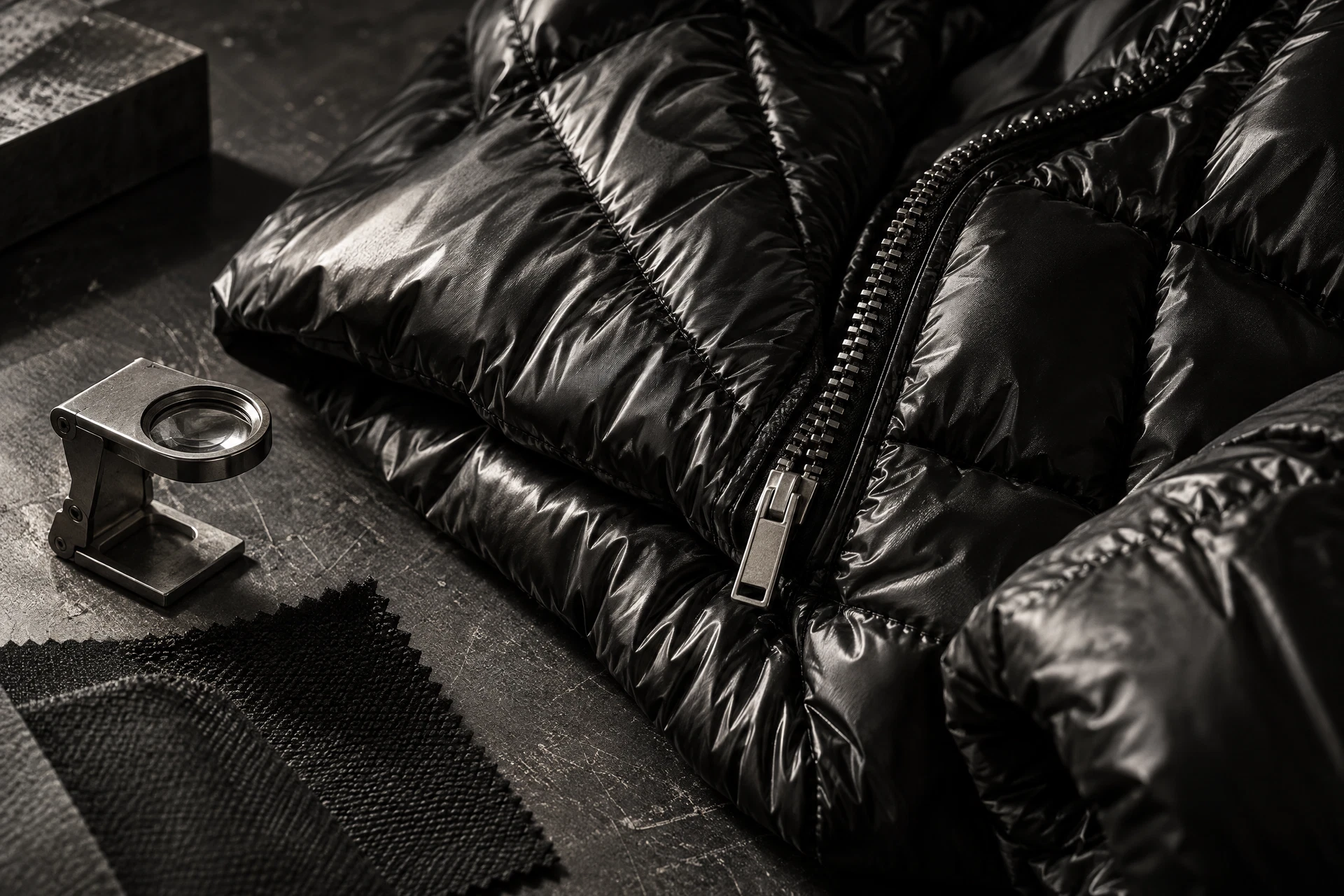
Authentication is not a single logo, a reassuring photograph or a quick comparison. It is a process of checking the whole piece, the information that accompanies it and the credibility of the seller. A convincing detail on its own is not proof of authenticity.
Begin with provenance. Ask for a clear description of the exact model, photographs of the item itself and any available purchase documentation. Check that the name, colour, material and construction are consistent with the product being offered. Images used to illustrate a catalog should never substitute for evidence about an individual item.
Look at the construction as a whole: seam consistency, label placement, hardware finish and material quality. Differences can also occur between seasons and models, so avoid treating an online comparison as a universal rule. A QR code or serial number should be checked through the brand’s official verification channel where one is available; a working code alone is not conclusive.
If anything remains uncertain, seek an independent professional assessment before purchasing. This editorial is general guidance, not an authentication certificate. Buy with patience, ask specific questions and keep the record of your purchase.
Explore the collection ↗